
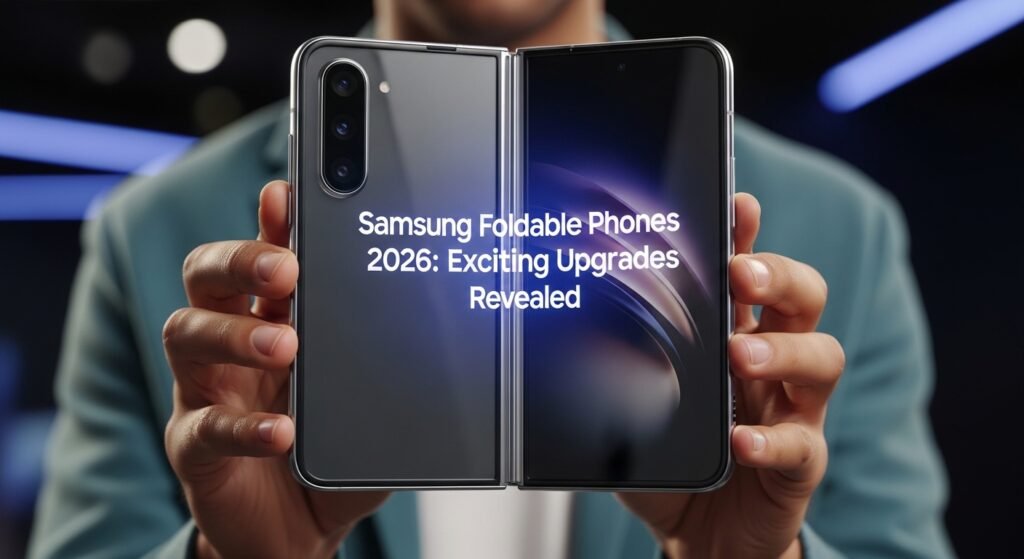
Foldables in 2026 sit at a turning point. Prices remain premium, but the form factor is no longer a novelty, and buying decisions increasingly come down to reliability, repair confidence, and how well the phone supports real work and real life. A modern foldable has to deliver on basics—camera consistency, heat control, battery comfort—while justifying the fold with multitasking, reading, and content creation advantages.
What “2026 foldables” likely means
Samsung’s foldable strategy generally splits into two experiences: the book-style Fold for productivity and the clamshell Flip for portability. A 2026 “preview” is less about exact specs and more about direction—what Samsung tends to improve each cycle, what pain points remain, and what signals indicate a meaningful year-over-year jump.
Three themes define the 2026 foldable conversation across the industry: durability confidence, better efficiency, and software that finally treats the inner screen as more than a stretched phone display. Those themes align with what buyers have asked for since foldables became mainstream.
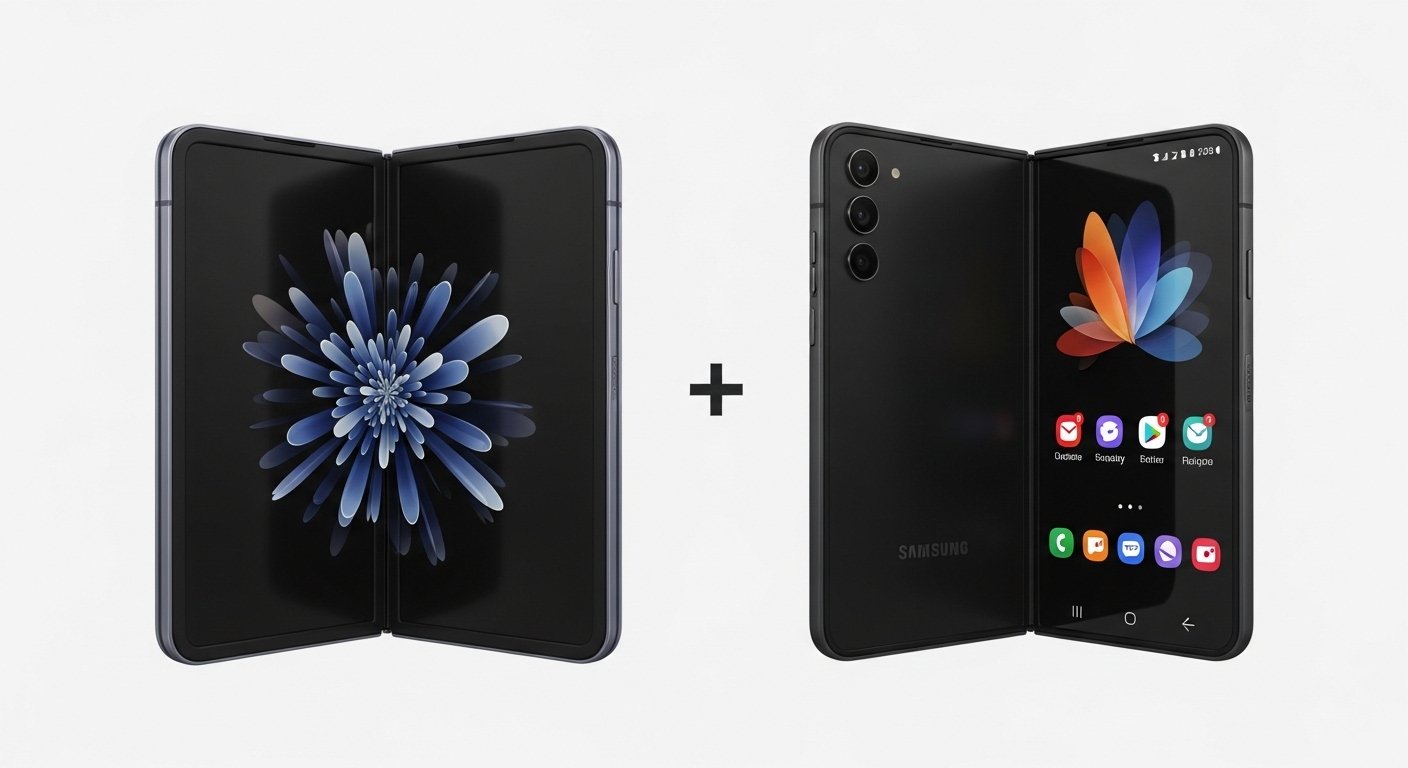
Fold vs Flip: how the roles evolve
Galaxy Z Fold: productivity first
The Fold category succeeds when it reduces friction for tasks that feel cramped on a standard phone. That includes email triage, document review, spreadsheets, research with multiple windows, and note-taking alongside a video call. If 2026 Fold upgrades land, the best improvements will be the ones that make the inner screen feel more “tablet-like” without making the device feel fragile or awkward in a pocket.
Hardware changes often get the headlines, but Fold buyers usually feel the difference in two places: multitasking flow and thermal stability during long sessions. A Fold that stays cool and consistent under load feels premium in a way benchmark charts rarely capture.
Galaxy Z Flip: lifestyle and portability
The Flip category wins on convenience. The best version of a Flip is a phone that disappears into a pocket when closed and becomes a full-sized smartphone when opened, with enough cover-screen utility to reduce unnecessary opens. A stronger 2026 Flip would expand “quick actions” and notifications on the cover display while also addressing battery headroom and camera performance—two areas where clamshell foldables face obvious trade-offs.
For many buyers, the Flip is a design decision. In 2026, it also has to be apracticaly decision, because competition has made it harder for a premium phone to coast on form factor alone.
What to expect from hardware upgrades
Foldable upgrades rarely arrive as a single dramatic change. Instead, meaningful progress is usually built from a combination of smaller improvements: better hinge behavior, stronger materials, improved water resistance, and more efficient chips. In 2026, those incremental gains matter more than ever because they directly affect repair rates, resale value, and long-term confidence.
Thinner designs without compromise
Thinner foldables are not just about aesthetics. A slimmer fold reduces pocket bulk and improves one-handed handling, especially on book-style foldables that already feel wide. The risk is that ultra-thin designs can stress battery capacity, cooling, and structural rigidity.
The best-case scenario in 2026 is a thinner Fold that also improves comfort and stability: less wobble on a table, fewer hinge “micro-movements,” and a more secure feel when opened and closed repeatedly.
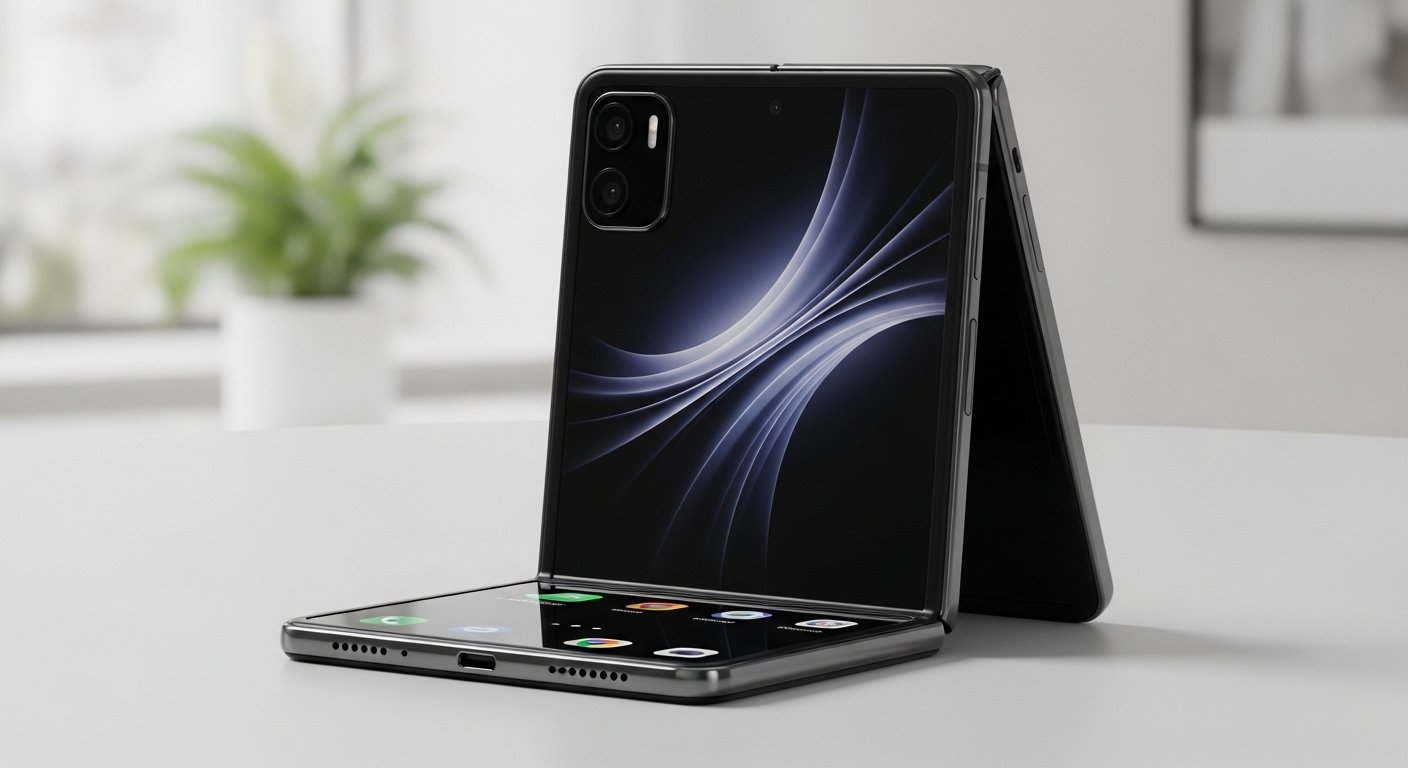
Durability: hinge, crease, and dust
Durability is still the first question many people ask about foldables. The hinge and the flexible display are the core concerns, and the practical fear is not only failure—it’s the cost and hassle of repair. Progress tends to arrive in three forms:
- Hinge engineering that reduces stress points over time and improves how the device “locks” open.
- Materials and layering tweaks that reduce crease visibility in certain lighting and improve scratch resistance.
- Better dust management, which matters because fine debris is a long-term enemy of moving parts.
Foldables don’t need to be indestructible to be worthwhile, but they do need to feel predictable. Confidence comes from consistency: fewer creaks, fewer hinge inconsistencies, and better long-term stability.
Displays: the two-screen challenge
Foldables are uniquely difficult because they have two displays and two “usage modes.” Improvements in 2026 are likely to focus on brightness stability, anti-reflection behavior, and touch consistency. The inner screen’s durability and the cover screen’s usability are equally important, because most quick interactions happen on the outer display.
For the Fold category, a better cover screen can also reduce friction. If the outer display is comfortable enough for quick work, the inner screen becomes a choice rather than a necessity.
Battery and efficiency: the real everyday upgrade
Battery improvements are where 2026 foldables can become noticeably better, even without big changes in capacity. Efficiency gains from newer processors and modem tuning can reduce drain during navigation, hotspot use, and weak-signal conditions.
For the Flip category, battery headroom is especially important. Many buyers accept the compact form factor trade-off, but the phone still needs to last comfortably through typical days with camera use, messaging, and mobile data.
Cameras: reliability over “spec fle.x.”
Foldable cameras are often judged unfairly. Many buyers expect Ultra-level results at foldable prices, but foldables also spend engineering budget on hinges, displays, and structural design. The best path forward in 2026 is camera reliability: faster capture, fewer missed shots, stronger HDR consistency, and improved low-light processing.
For Fold buyers, camera consistency matters during travel and work. For Flip buyers, front-camera alternatives matter too, because cover-screen selfies and hands-free angles are part of the Flip’s identity.
Software and AI: where Samsung can separate itself
Software is the make-or-break layer for foldables. A foldable can have premium hardware and still feel underwhelming if apps behave like stretched phone layouts. Samsung’s advantage is experience: years of foldable iterations, deep control over One UI, and ecosystem integration.
Multitasking that feels natural
Productivity on a foldable works best when common actions feel effortless: splitting the screen, switching focus, saving app pairs, dragging content between windows, and keeping one app “parked” while another stays primary. In 2026, the most valuable improvements will likely target speed and consistency rather than adding new modes nobody uses.
App continuity matters as much as multitasking. Smooth transitions between cover and inner screens reduce friction, especially when moving between messaging, maps, browsing, and documents.
Cover screen utility (Flip category)
The cover screen is the Flip’s secret weapon when it’s done well. More meaningful widgets, better notification handling, and smoother quick-reply tools reduce the number of times the phone must be opened. That makes the Flip more convenient and also reduces hinge cycles in everyday use.
A stronger 2026 Flip experience would treat the cover display as a true “fast lane,” not a novelty panel.
AI features that match the form fact. or
AI is becoming a baseline expectation on premium devices, but foldables have a unique opportunity: more space for side-by-side context. Useful foldable AI looks like this:
- Summaries atranslationsion in split-screen during calls, meetings, or browsing.
- Smarter selection and content extraction across apps for research and shopping.
- Editing tools that take advantage of the inner screen for before/after comparisons.
The key difference in 2026 will be whether AI features save time without creating privacy concerns or battery penalties.
Buying strategy: how to score foldables in 2026
Foldables are premium purchases, so timing matters more than ever. The “best” foldable to buy in 2026 isn’t always the newest model—value windows can make last-generation devices the smarter choice when discounts and trade-ins shift the effective price.
Best reasons to buy the newest generation
- Improved durability or repair confidence.
- Meaningful battery or efficiency gains.
- Software features that require new hardware or new display hardware.
- Strong preorder incentives that reduce the real cost (storage upgrades, trade-in boosts, bundle value).
Best reasons to buy the previous generation
- Large discounts that make the premium form factor more reasonable.
- Mature accessory availability at lower prices.
- Real-world reliability is already well documented.
What to check before committing
Foldables demand a slightly different checklist than slab phones:
- Warranty and repair terms in the local market, including screen/hinge coverage.
- Crease visibility and reflection behavior under bright indoor lighting.
- One-handed comfort with a case, especially on the Fold.
- Cover screen usability for key actions on the Flip.
- Thermal behavior under sustained camera use and navigation.
Expected 2026 lineup signals
Speculation is constant, but a few signals tend to be reliable indicators of what matters in a foldable generation.
Accessory ecosystem timing
Case and screen protector ecosystems often reveal how confident third parties are in a model’s popularity. Early accessory variety tends to follow devices expected to sell in higher volumes.
Carrier support and promotions
Foldables rely heavily on carrier promotions and trade-ins. Strong launch incentives can indicate Samsung’s confidence in adoption, while weaker promotions can signal a more cautious year.
Software feature focus
When Samsung’s messaging focuses on productivity, continuity, and multitasking, the Fold category tends to look stronger. When the messaging leans heavily into lifestyle and cover-screen utility, the Flip category tends to get more attention.
Related keyword watch: Galaxy Z Fold7
Search interest tends to spike around model naming, timing, and upgrade direction, especially for the Galaxy Z Fold7 generation and its Flip counterpart.
Read more (Phone Expertise)
Read more on Phone Expertise: Best Samsung phones to buy in 2026.
Explore related coverage: Samsung Galaxy A series 2026 lineup explained.
Further analysis available here: Galaxy S26 vs S25: what really changed?.
FAQ
Are Samsung foldable phones worth buying in 2026?
Foldables make the most sense when the inner screen replaces part of a tablet workload or enables frequent multitasking. Buyers focused on the best camera-for-money and maximum battery headroom often prefer a traditional flagship.
What should improve most in Samsung foldables in 2026?
The most valuable upgrades are usually durability confidence, better efficiency, and software polish for multitasking and continuity between cover and inner screens.
Which is better for most people: Fold or Flip?
The Fold suits productivity and reading-heavy use, while the Flip suits portability and quick interactions. The better choice depends on whether the inner screen changes daily habits or simply looks impressive.
When is the best time to buy a Samsung foldable in 2026?
Value is often strongest during launch promotions or after the new generation arrives and the previous generation drops in price. Trade-ins and storage bonuses can change the effective cost more than small spec differences.
Do foldables require special care?
Foldables benefit from sensible care: avoiding grit and debris near the hinge, using a good case, and being mindful of pressure on the inner display. Normal daily use should be fine, but they are less forgiving than slab phones.