
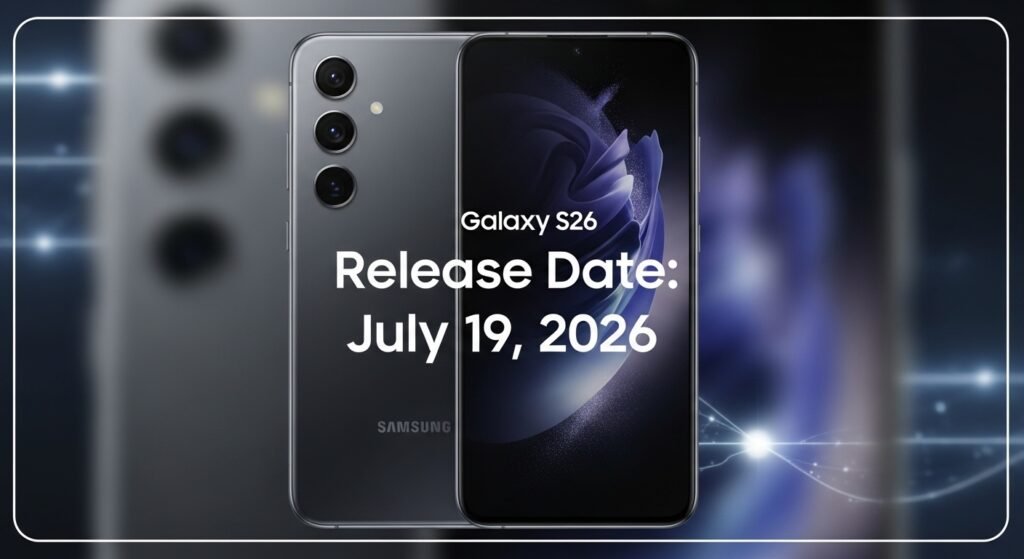
So, what’s the Galaxy S26 release date outlook right now? In short: expect a first-half 2026 launch window, with final timing depending on region and supply, and we’ll update this page as soon as Samsung makes anything official.
For the top-tier model rumor roundup, also read: Samsung Galaxy S26 Ultra: everything we know.
What we know vs. what’s rumored
Samsung hasn’t confirmed the Galaxy S26 family yet, which means every “leak” should be treated as a possibility, not a promise. The most reliable way to follow S-series launches is to separate them into three buckets: what Samsung officially says, what multiple independent outlets consistently report, and what appears only once with no supporting details.
How to read S26 rumors like a pro
- Look for consistency: If the same claim appears across multiple sources over weeks, it’s more likely to be directionally correct.
- Prefer details with trade-offs: Rumors that explain downsides (heat, battery impact, regional splits) tend to be more realistic than “everything improves” claims.
- Watch for late changes: Charging speeds, camera sensors, and memory tiers can change closer to launch.
Release timing: what to expect
Samsung usually introduces its Galaxy S flagship line early in the year, but exact timing can shift. If you’re planning your purchase, it’s safer to think in “windows” rather than on a single exact day: the announcement window, the preorder window, and the first week phones are actually in stock.
Announcement vs. availability
Even when an announcement happens, availability can vary by market. Some regions get preorders immediately, while others see delays due to carrier certification, inventory, or staggered shipping schedules. If you’re in a market that historically receives devices later, keep that in mind before selling your current phone too early.
What to watch next
- Samsung event invitations and official teasers.
- Carrier “coming soon” pages, which can hint at storage options and colors.
- Accessory listings (cases and screen protectors), which can reveal dimensions and button layouts.
Specs: the likely upgrade areas
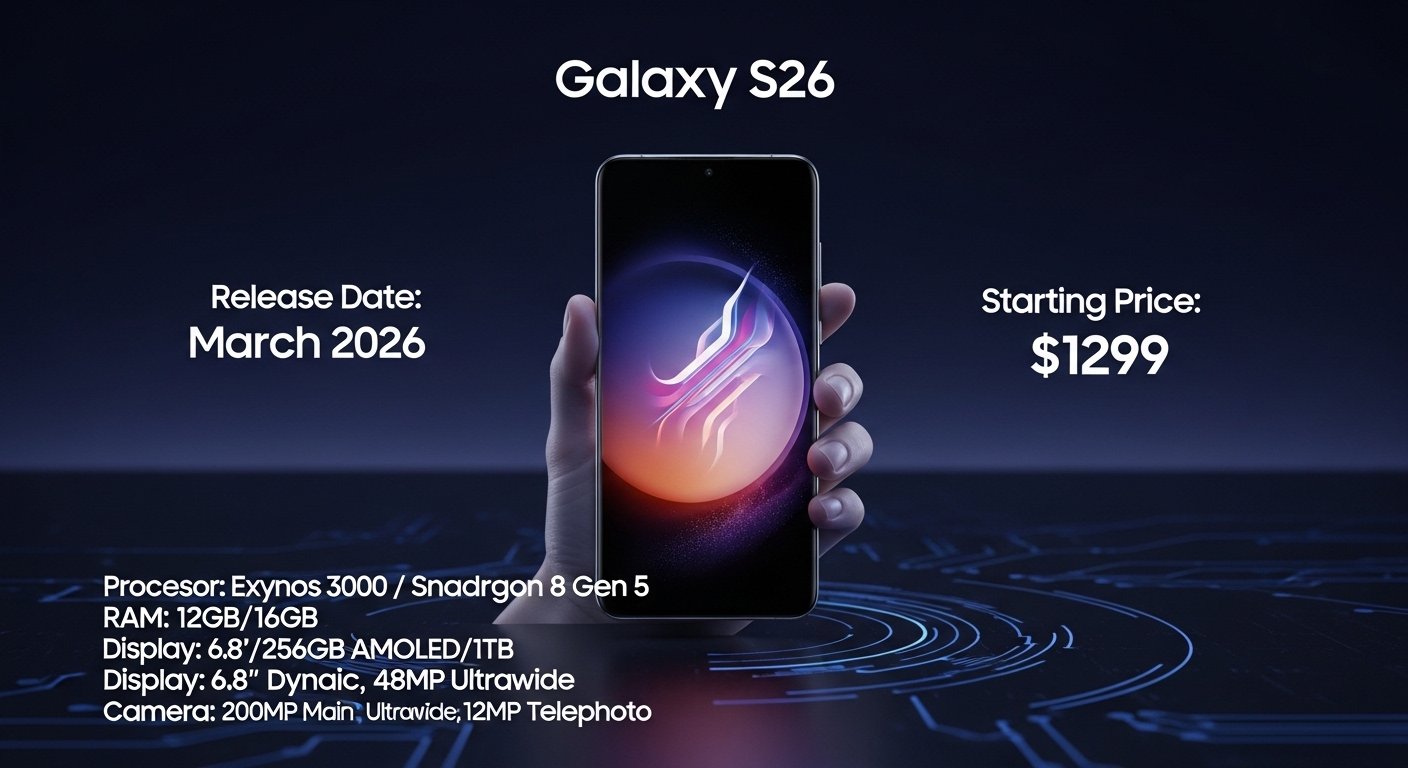
Even without final specs, we can predict where Samsung will focus based on how the flagship market is evolving: on-device AI performance, sustained gaming power, better efficiency, and camera processing improvements. The S26 series will likely balance “headline specs” (chip, cameras) with less glamorous—but crucial—upgrades like thermals, modem efficiency, and battery longevity.
Chipset and performance (regional differences are possible)
One of the biggest questions is whether Samsung will keep a split strategy where some regions receive Exynos-based models while others receive Snapdragon-based models. If that happens again, the real-world differences won’t just be benchmarks; they can show up in long gaming sessions, photo processing speed, heat control, and even battery drain when the signal is weak.
If performance consistency matters to you, pay attention to early reviews from your specific region, not just global coverage. Two phones with the same name can behave differently if the chipset, modem tuning, or thermal limits differ.
Display and durability
Expect Samsung to keep pushing brightness, anti-reflection performance, and adaptive refresh improvements, because those translate into everyday usability more than a small resolution bump. Durability upgrades often show up as stronger glass, better frame materials, and incremental water/dust resistance improvements—changes that don’t look exciting on a spec sheet but matter over two or three years.
Battery and charging
Battery life is now a key differentiator between “good” and “great” flagships, especially as AI features run more tasks on-device. The most meaningful improvements could come from efficiency gains (new chip, better modem) rather than simply increasing battery capacity.
As for charging, watch for two practical indicators: whether Samsung raises peak wired charging speed and whether it improves sustained charging without overheating. Peak numbers are marketing; stable charging and cooler temperatures are what you’ll feel daily.
Cameras: what changes actually matter
With modern flagships, software processing can matter as much as sensor size. If Samsung improves image processing, HDR consistency, and motion capture, you’ll see benefits in tricky scenes—kids, pets, concerts, and nighttime street shots.
For many buyers, the biggest “camera upgrade” will be reliability: fewer missed shots, better skin-tone accuracy, and more consistent results across lenses.
Price: realistic expectations
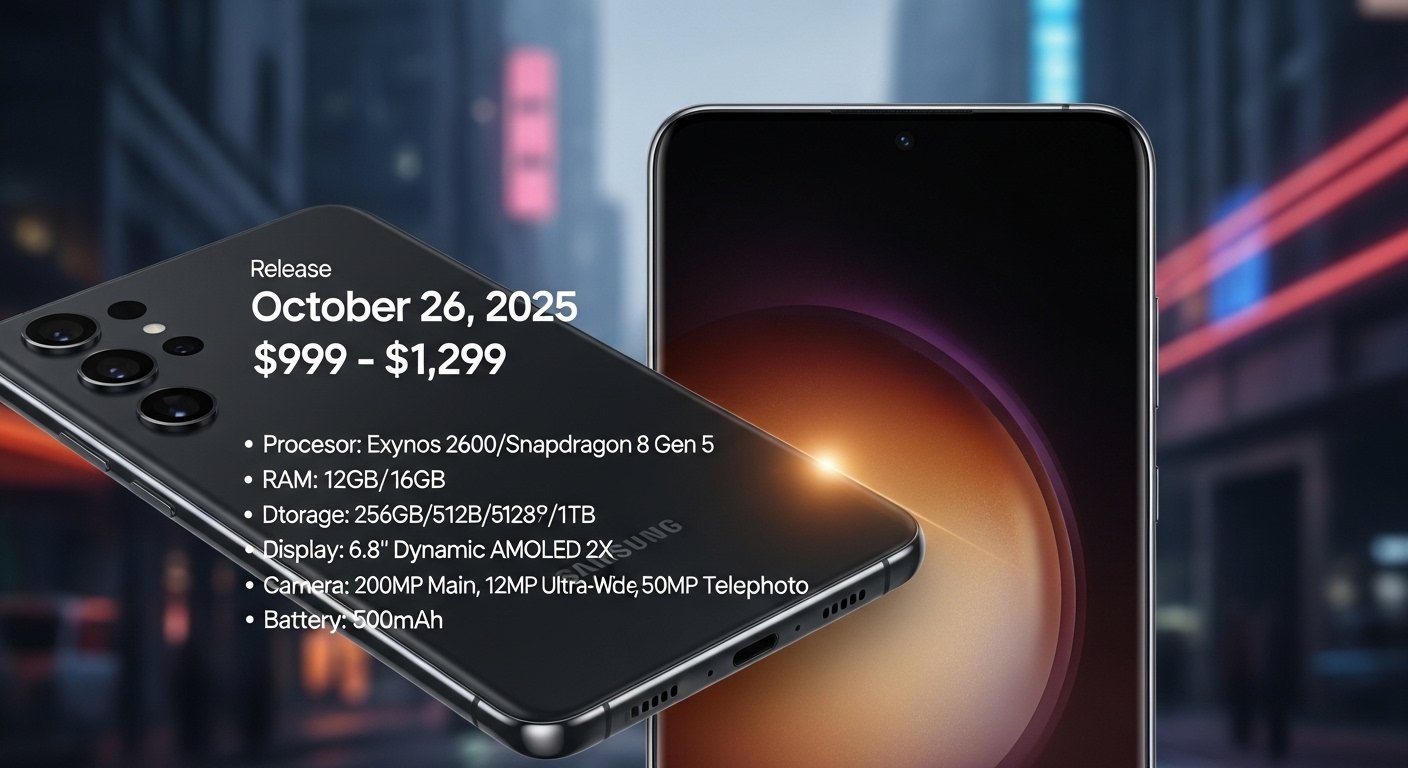
Until Samsung announces official pricing, assume the Galaxy S26 lineup will remain in the premium bracket. The best way to manage budget is to decide your target storage tier now and factor in launch promotions, trade-in values, and bundle deals that can significantly change the effective price.
How to avoid overpaying
- Don’t guess storage: If you shoot lots of video or keep large games installed, pick more storage upfront.
- Compare “effective price”: Trade-in + preorder credit can be worth more than a small MSRP difference.
- Consider timing: Buying at launch can be smart if promos are strong; waiting can be smarter if you want discounts and real user feedback.
Samsung Galaxy S26 vs S26 Ultra (rumor-based comparison)
If Samsung follows its usual pattern, the base model will aim for balance while the Ultra will bundle the biggest camera and battery-focused upgrades. Here’s a practical, rumor-aware comparison to help you decide which one fits your needs.
| Category | Galaxy S26 (expected) | Galaxy S26 Ultra (expected) |
|---|---|---|
| Target buyer | Balanced flagship for most people | Maximum camera and features, power-user focus |
| Performance | Top-tier chip, possible regional variants | Top-tier chip, typically the most consistent “best spec” model |
| Camera setup | Excellent main camera, strong all-rounder | Most advanced zoom and pro-grade options |
| Battery | All-day focus via efficiency improvements | Largest battery class, best endurance potential |
| Charging | Fast, but may prioritize safety and thermals | Most likely to get the fastest charging upgrade |
| Price | Premium | Highest in the lineup |
Pros and cons
Galaxy S26
- Pros: Easier to carry, likely better value, flagship performance without the “Ultra premium.”
- Cons: May miss the most advanced Zoom features, smaller battery ceiling, and possible regional chipset differences.
Galaxy S26 Ultra
- Pros: Best camera versatility, strongest battery potential, most feature-complete version.
- Cons: Higher price, bigger and heavier, not everyone uses the extra pro features.
Buying verdict
If you want the best overall value and a phone that feels “complete” without being oversized, the base model is usually the smarter pick. If camera zoom, battery headroom, and having the top configuration matter most—and you keep phones for years—the Ultra tends to justify its premium for power users.
FAQ
When will the Galaxy S26 launch?
Samsung hasn’t confirmed a date yet, but expectations are centered on an early-to-mid 2026 launch window. Treat exact dates as rumors until Samsung publishes an official event announcement.
Will the Galaxy S26 be Snapdragon or Exynos?
Samsung may split chipsets by region, but nothing is official. If you care about consistency, wait for confirmed regional models and early reviews from your market.
Will the Galaxy S26 get a major camera upgrade?
Even if sensor changes are modest, improvements in image processing, low-light consistency, and motion capture can feel like a “major upgrade” in daily use. The Ultra model is also typically the one that pushes the biggest camera hardware changes.
Should I wait for the Galaxy S26 or buy a current flagship?
Wait, if your current phone is fine and you want the latest features, longer software runway, and preorder deals. Buy now if you can get a strong discount,t or your current phone’s battery and reliability are already hurting your daily routine.