
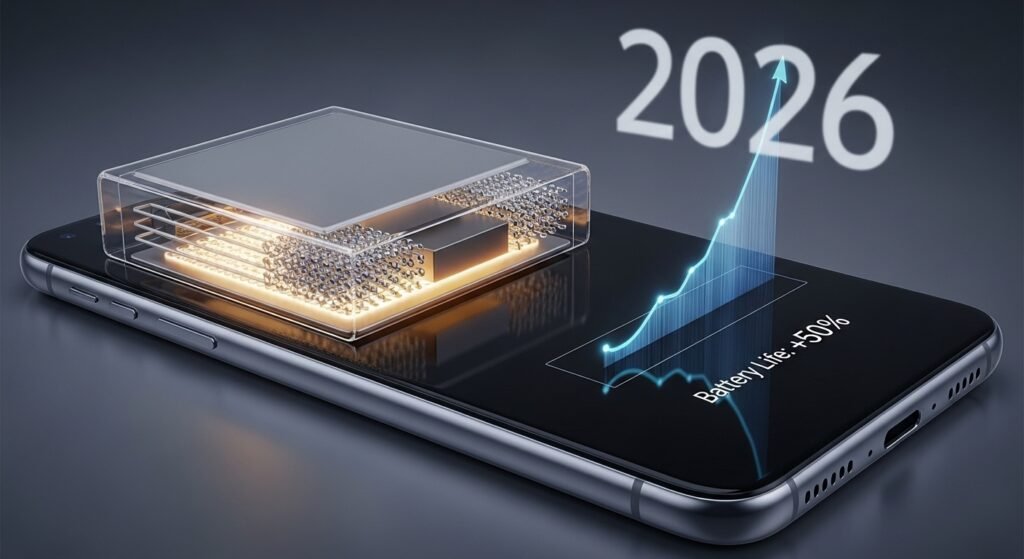
Samsung battery improvements in 2026 are shaped less by “bigger battery” headlines and more by efficiency: chips that waste less power, displays that adapt better, modems that behave smarter on mobile data, and software tuning that reduces background drain. The most meaningful gains show up as steadier all-day endurance, less heat, and more predictable battery percentage during navigation, video calls, and camera use.
On modern Galaxy phones, battery life is a system outcome. Hardware matters, but so do network conditions, app behavior, refresh rate choices, and charging habits that affect long-term capacity. That’s why two phones with similar mAh numbers can feel completely different after a few months: one stays smooth and consistent, the other runs hotter and drops faster under the same usage.
In 2026, the practical battery story is also shifting toward longevity features—settings and charging limits that aim to slow degradation over time. That trend matters because it changes the “second-year experience,” when many phones still perform well, but battery capacity starts to feel tighter.
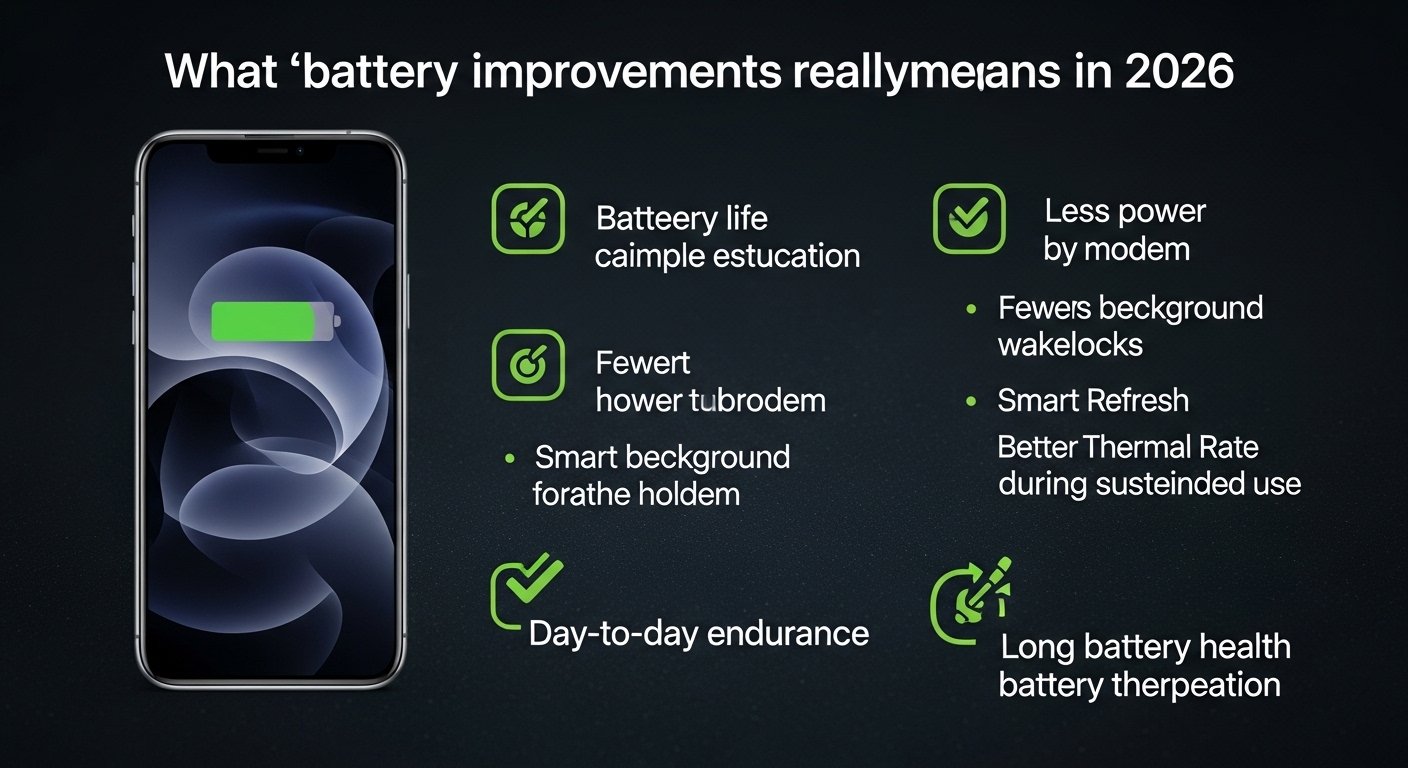
What “battery improvements” reallymeans in 2026
Battery life is no longer a simple equation of capacity versus screen time. The best improvements are the ones that reduce waste: less power burned by the modem, fewer background wakelocks, smarter refresh rate behavior, and better thermal control during sustained use.
Two kinds of battery improvement matter in real life: day-to-day endurance and long-term battery health. Day-to-day endurance makes the phone easier to live with; long-term health helps the phone feel less “aged” in year two and beyond.
Daily endurance vs long-term health
- Daily endurance: how many hours the phone lasts under typical use, and how stable the drain feels under mobile data, GPS, and camera load.
- Long-term health: how well the battery retains capacity over months and years, influenced by heat, charging patterns, and high-percentage time.
Hardware trends are improving battery life.
Samsung’s 2026 battery improvements are expected to be driven by the usual cycle of platform upgrades: newer chipsets, better efficiency tuning, and incremental changes to display and modem behavior. These upgrades rarely look dramatic on a spec sheet, but they can be obvious during heavy days.
More efficient chipsets and better thermals
Processor efficiency is one of the biggest battery multipliers. A chip that completes tasks faster and cooler can use less energy even when performance is higher. That matters most for camera processing, gaming, long video calls, and multitasking—scenarios where heat and throttling often cause battery drain to spike.
Thermal design also plays a role. A phone that stays cooler tends to protect battery health over time and feels more consistent under sustained load.
Display efficiency: refresh rate and brightness control
Displays remain the most power-hungry component during active use. Battery improvements in 2026 are likely to come from smarter refresh rate behavior, better panel efficiency at common brightness levels, and improved content-adaptive tuning that reduces wasted refresh work.
In practice, the best display battery improvements are the ones that don’t force compromise. Smooth scrolling can remain intact while the system intelligently reduces power draw in static content, reading, and always-on scenarios. Modern behavior: the hidden drain factor
Mobile data can be the difference between “two-day phone” and “charger anxiety,” especially in weak-signal areas. A more efficient modem and smarter network switching can reduce the steady drain that happens when the phone constantly searches, boosts signal, or maintains unstable connections.
This is why battery life can vary dramatically by region and carrier, even on the same hardware.
Software and One UI tuning that affects the battery
Software improvements can change endurance without any hardware changes at all. Battery drain is often caused by background activity, misbehaving apps, and aggressive synchronization. One UI’s job is to keep performance responsive while limiting waste in the background.
Background app management gets stricter.
Battery improvements increasingly come from more aggressive background limits on apps that don’t need to run constantly. When this is tuned well, the phone feels the same to use—notifications arrive normally—but standby drain drops noticeably.
When it’s tuned badly, it breaks notifications and messaging reliability. The best 2026 improvements will be the ones that lower drain without creating “why didn’t I get that message?” problems.
Adaptive power behaviors
Adaptive battery features aim to learn usage patterns and reduce waste in rarely used apps. The benefit is typically felt over time, when the phone becomes better at predicting which apps deserve background privileges and which can be quietly limited.
These features matter most on budget and mid-range models, where efficiency margins are tighter and heavy background activity can cause stutters along with battery drain.
Battery health features and charging limits
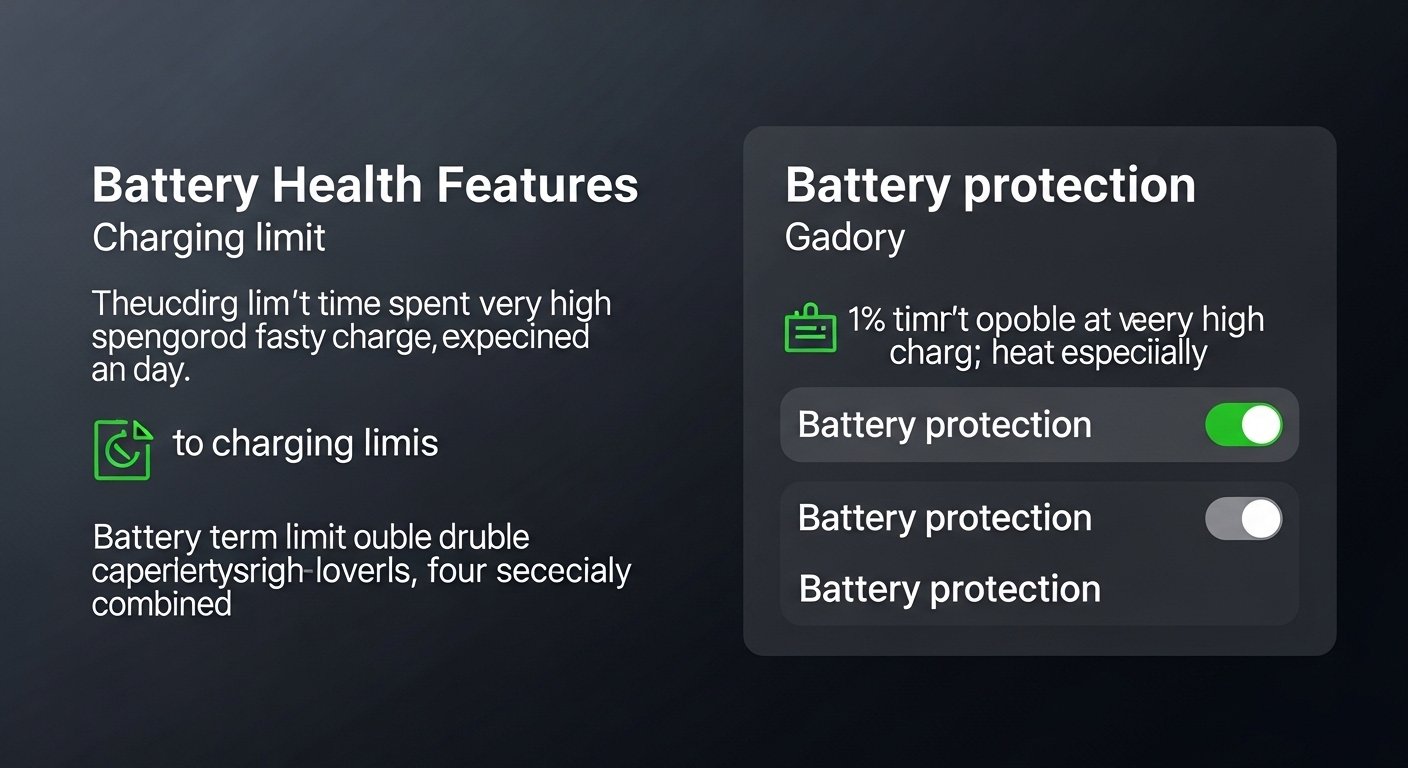
Long-term battery health has become a more explicit part of the Galaxy experience. Charging-limit features and “battery protection” options are designed to reduce time spent at very high charge levels, which can contribute to faster wear—especially when combined with heat.
These features won’t magically double battery life in a day, but they can improve the second-year experience by slowing capacity loss. For people who keep phones longer, that can feel like a meaningful upgrade even if the day-one battery looks similar to last year’s model.
Charging improvements: what matters and what doesn’t
Charging is often misjudged. Faster charging sounds impressive, but real-world usefulness depends on heat, consistency, and how quickly a phone can top up to a comfortable buffer without stress on the battery.
“Real top-up speed” beats peak wattage.e
Peak charging speeds usually last only briefly before throttling to control heat. A practical improvement is a faster and cooler 10-to-60% window, because that’s the portion that frequently happens during commuting, quick breaks, and travel.
Heat is a battery enemy. A phone that charges quickly but stays hot can trade short-term convenience for faster long-term wear.
Wireless charging and heat management
Wireless charging is convenient, but it typically generates more heat than wired charging. Improvements here tend to be about thermal control and consistency rather than raw speed. Better alignment behavior, smarter power negotiation, and temperature-aware throttling can make wireless charging more usable day-to-day.
Battery improvements by phone tier
Battery gains don’t land equally across Samsung’s lineup. Flagships often get the best chipset efficiency and the most refined modem/display tuning, while mid-range phones can sometimes win on endurance simply by using less power-hungry components and pairing them with large batteries.
Galaxy S series (flagships)
Flagships tend to improve battery life through platform efficiency and smarter processing. The most noticeable gains show up under heavy use: long camera sessions, navigation, and multi-app workflows. Flagships are also more likely to deliver more stable performance without thermal spikes, which helps both battery and user experience.
Galaxy A series (budget and value)
Budget and mid-range phones often lean on battery capacity and conservative tuning. In 2026, the best A-series battery improvements are likely to come from smoother software behavior and better background limits, making standby drain and idle heat less of an issue.
For many people, the best battery phone isn’t the fastest phone—it’s the one that stays cool, stable, and predictable.
Foldables: two screens, different battery trade-offs
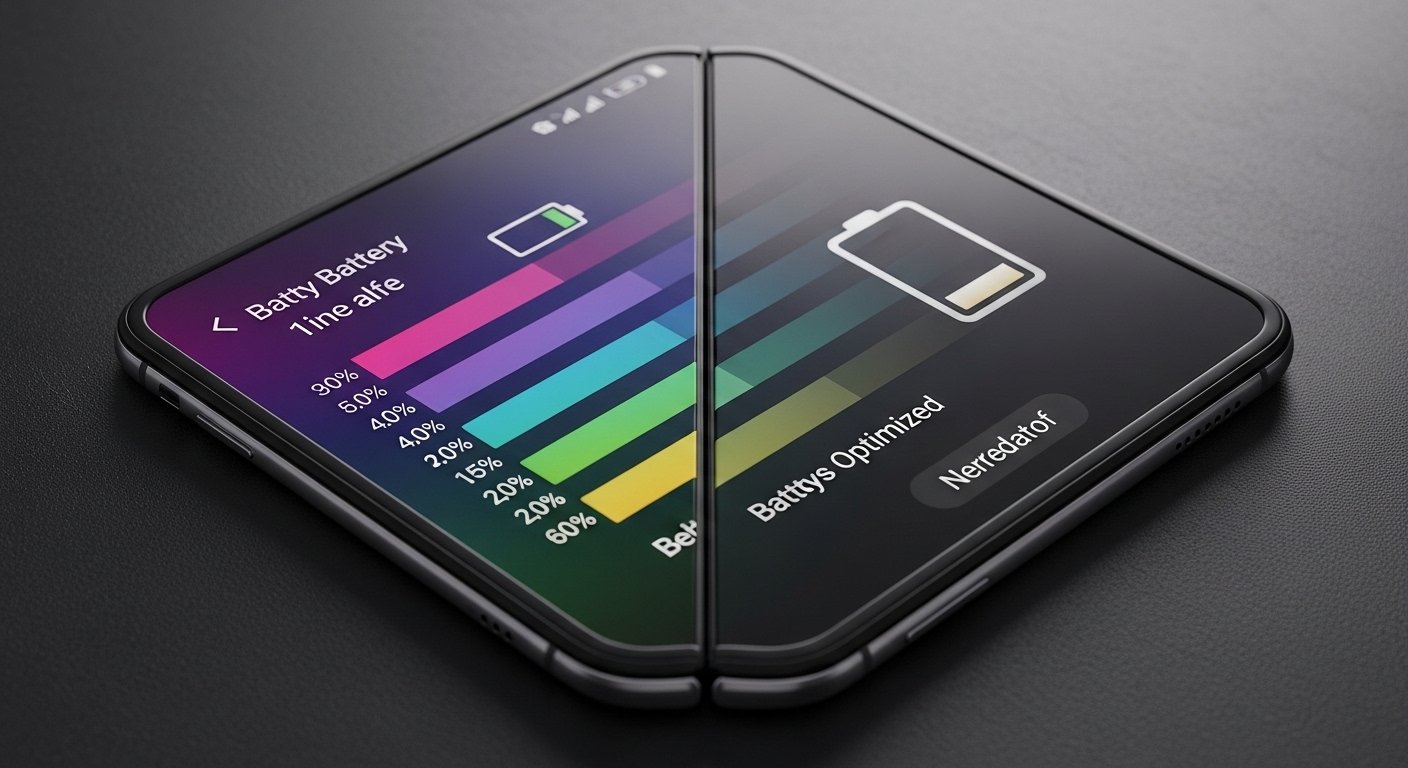
Foldables have unique battery challenges: bigger screens, complex thermal design, and heavier multitasking use. Improvements often come from display and software efficiency rather than huge battery capacity increases. Better app continuity, smarter refresh behavior, and improved modem tuning can make foldables feel less “battery sensitive” during travel and productivity days.
How to judge if a Galaxy phone has “good battery” in 2026
Battery claims are easy to market and hard to measure fairly. A reliable way to judge battery improvements is to focus on scenarios that reflect real usage, especially mobile data and mixed workloads.
Five scenarios that expose real battery behavior
- Mobile data day: messaging, browsing, social apps, and periodic camera use away from Wi‑Fi.
- Navigation day: GPS plus screen-on time plus background location checks.
- Camera-heavy day: video capture, editing, and uploads.
- Video calls: long sessions that stress thermals and uplink stability.
- Standby overnight: idle drain consistency and background activity behavior.
A phone that stays predictable across these scenarios tends to feel like it has “better battery,” even if its capacity number isn’t the highest.
Battery improvements table: what changes the most
This table summarizes where Samsung battery improvements usually come from, and how they show up in daily use.
| Improvement area | What changes | What it feels like |
|---|---|---|
| Chip efficiency | Less wasted power under load, better thermal stability | Less heat, steadier battery drain during heavy use |
| Display tuning | Smarter refresh and brightness behavior | Similar smoothness with better endurance |
| Modem optimization | Improved mobile data efficiency and switching behavior | Less drain on 5G and in weak-signal areas |
| Background controls | Better limits for rarely used apps | Lower standby drain without notification issues |
| Battery health features | Charging behavior designed to reduce long-term wear | More stable battery capacity over long ownership |
What to expect next
Battery improvement narratives in 2026 are likely to stay practical: better endurance through efficiency, more visible battery health controls, and fewer “random drain” complaints caused by background behavior. The most meaningful gains are usually not a dramatic leap, but a reduction in worst-case days—those heavy mobile-data days that used to end in early evening charging.
As One UI continues to evolve, the best outcome is more predictable battery behavior across more models, including the budget tiers that feel battery stress first.
Related Articles
Read more on Phone Expertise: Samsung camera upgrades explained.
Explore related coverage: Best Samsung budget phones in 2026.
Further analysis available here: Galaxy Z Flip 8 leaks and upgrades.
FAQ
What are Samsung’s biggest battery improvements in 2026?
The biggest improvements are expected to come from efficiency: better chip behavior under load, smarter display tuning, improved modem power use on mobile data, and tighter background management.
Do bigger batteries guarantee better battery life?
No. Capacity helps, but efficiency and network conditions often decide real endurance. A slightly smaller battery with better modem and thermal behavior can last longer in practice than a larger battery in a less efficient phone.
Why does battery life drop faster on mobile data than on Wi‑Fi?
Mobile radios can use more power, especially in weak-signal conditions, ns where the phone boosts transmit power and searches for stable connections. Navigation and background syncing can compound the drain.
Are charging-limit features worth using?
Charging-limit features can help long-term battery health by reducing time spent at very high charge levels, particularly when the phone is warm. They matter most for people who ketheir ep phones for multiple years.
Which Samsung phones tend to have the best battery life?
Mid-range phones can be endurance champions due to large batteries and conservative tuning, while flagships tend to deliver stronger battery stability under heavy workloads thanks to more efficient platforms and refined optimization.