
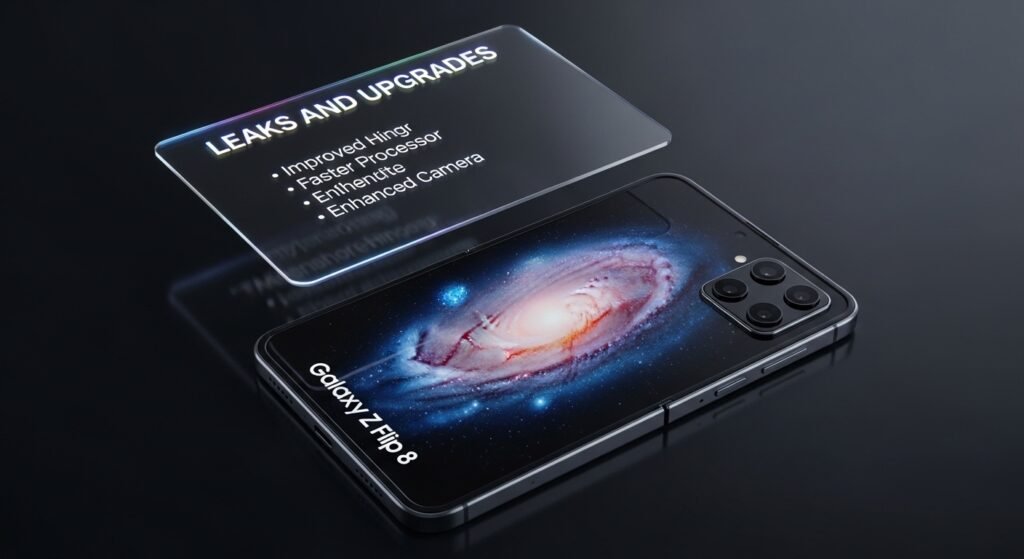
Interest is also building around the Galaxy Z Flip 8 release date, mostly because flip phones tend to live or die by launch deals and trade-ins. For a premium foldable, the upgrade decision rarely comes down to one spec; it’s about whether daily use feels easier than the previous generation. The cover display needs to feel less restricted, cameras need to be more consistent indoors, and the phone needs enough battery buffer to survive heavy mobile-data days without “percentage anxiety.”
Leaks at a glance
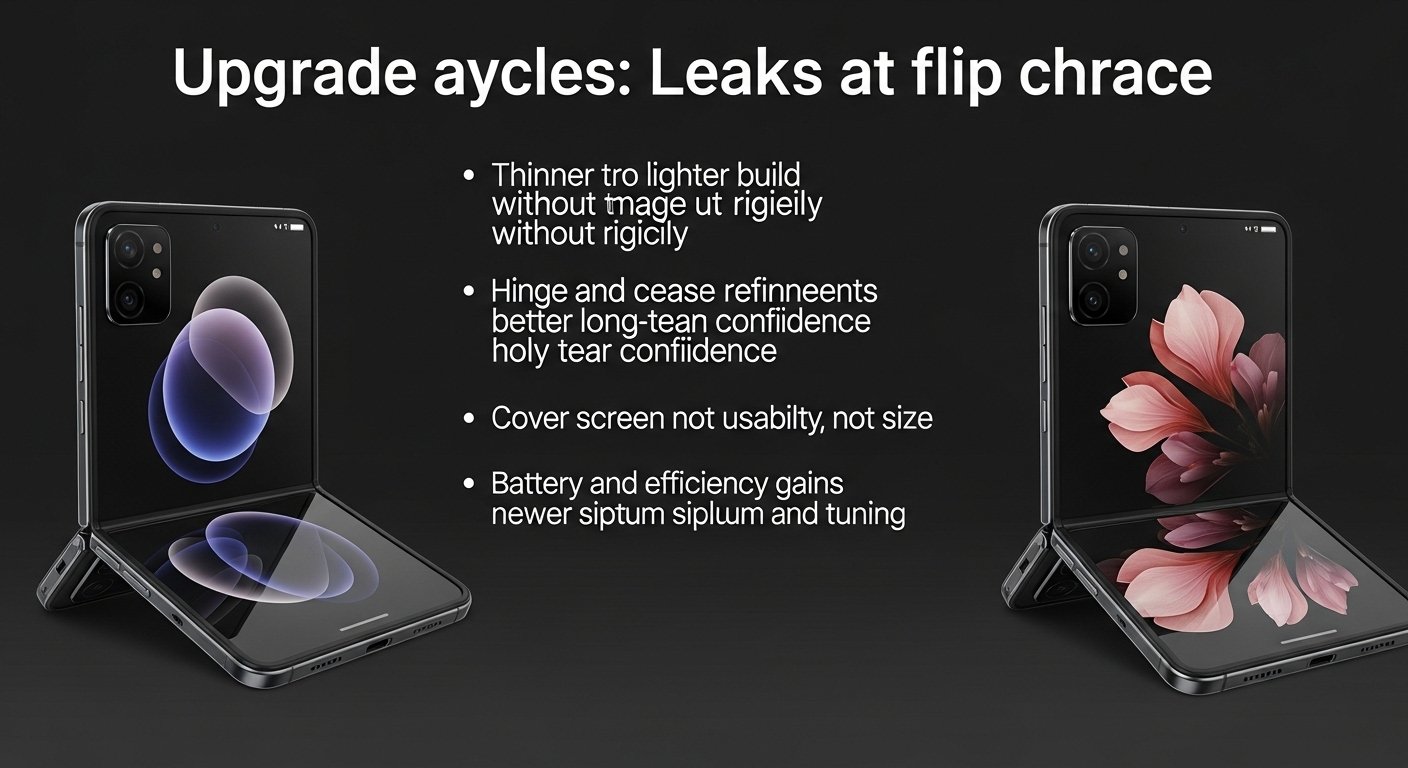
Leak cycles can be noisy, but the same themes show up repeatedly for flip-style foldables. These are the upgrade areas that matter most for the Flip line’s real-world experience.
- Thinner and lighter build, without sacrificing rigidity.
- Hinge and crease refinements aimed at better long-term confidence.
- Cover screen improvements focused on usability, not just size.
- Battery and efficiency gains driven by newer silicon and tuning.
- Camera changes that may be subtle in hardware but stronger in processing.
Expected release timing and pricing patterns
Samsung’s foldables typically arrive in a mid-year window, and that timing matters because it shapes both availability and promotions. Launch deals often include trade-in boosts, storage upgrades, and bundle credits, which can change the effective cost more than a small MSRP shift.
Pricing expectations for flip foldables generally track three factors: competition pressure, component costs (especially displays), and how aggressively Samsung wants to push adoption. In practical terms, the “real price” is usually the best deal available in the first few weeks, not the sticker price.
What tends to happen to older Flips
When a new Flip arrives, the previous generation typically becomes the value play. Retailers clear remaining stock, carriers stack trade-ins, and the previous model suddenly looks less “premium-priced” and more “smart buy.”
That pattern matters for shoppers who care about value but still want a modern foldable experience.
Design upgrades: thinner, sturdier, more pocket-friendly
For a clamshell foldable, “thin” is not just aesthetics. A thinner Flip can feel noticeably better in a pocket or small bag, and it often improves comfort when using the phone one-handed while closed.
The hard part is maintaining rigidity. Thin devices can feel less premium if the frame flexes or if the hinge feels inconsistent over time, so the best version of a “thinner Flip” is one that also feels tighter and more solid.
The hinge and crease remain the center of gravity.
Foldables still carry a psychological barrier: trust. The hinge is a moving part, the inner display is more delicate than glass, and buyers worry about how the device feels after months of opening and closing.
A meaningful Flip upgrade is not necessarily “no crease.” It’s a crease that draws less attention during normal use, especially under bright indoor lighting,g where reflections make imperfections easier to spot.
Durability upgrades that show up in daily use
- Smoother open/close motion with fewer “gritty” moments over time.
- More consistent flatness when opened.
- Better resistance to micro-scratches and pressure marks on the inner display.
- Less sensitivity to everyday dust and debris around hinge areas.
Cover screen upgrades: the Flip’s biggest opportunity
The cover screen is the Flip’s defining advantage when it’s treated as a real interface, not a novelty panel. The best cover screens reduce the number of times the phone needs to be opened, which improves convenience and can reduce hinge cycles over long ownership.
Cover display improvements in 2026 are expected to focus on usefulness: better widgets, faster replies, easier media controls, and more freedom to run common tasks without workarounds.
What “better cover screen” actually means
A better cover screen is not just more pixels. It’s smoother behavior and fewer limitations. Quick tasks should feel natural: replying to messages, checking directions, controlling music, handling calls, and scanning notifications without the sense that the system is forcing an open.
If Samsung expands native app support and improves continuity between the cover and main display, the Flip experience becomes more distinctive versus slab flagships at similar prices.
Cover-screen productivity: small gains, big impact
Even modest improvements can be transformative. Better quick-reply tools and more reliable notification behavior can save time every day, especially for commuters and people who use their phones heavily for messaging.
For many Flip owners, this category decides satisfaction more than raw performance.
Cameras: the most common complaint at premium prices
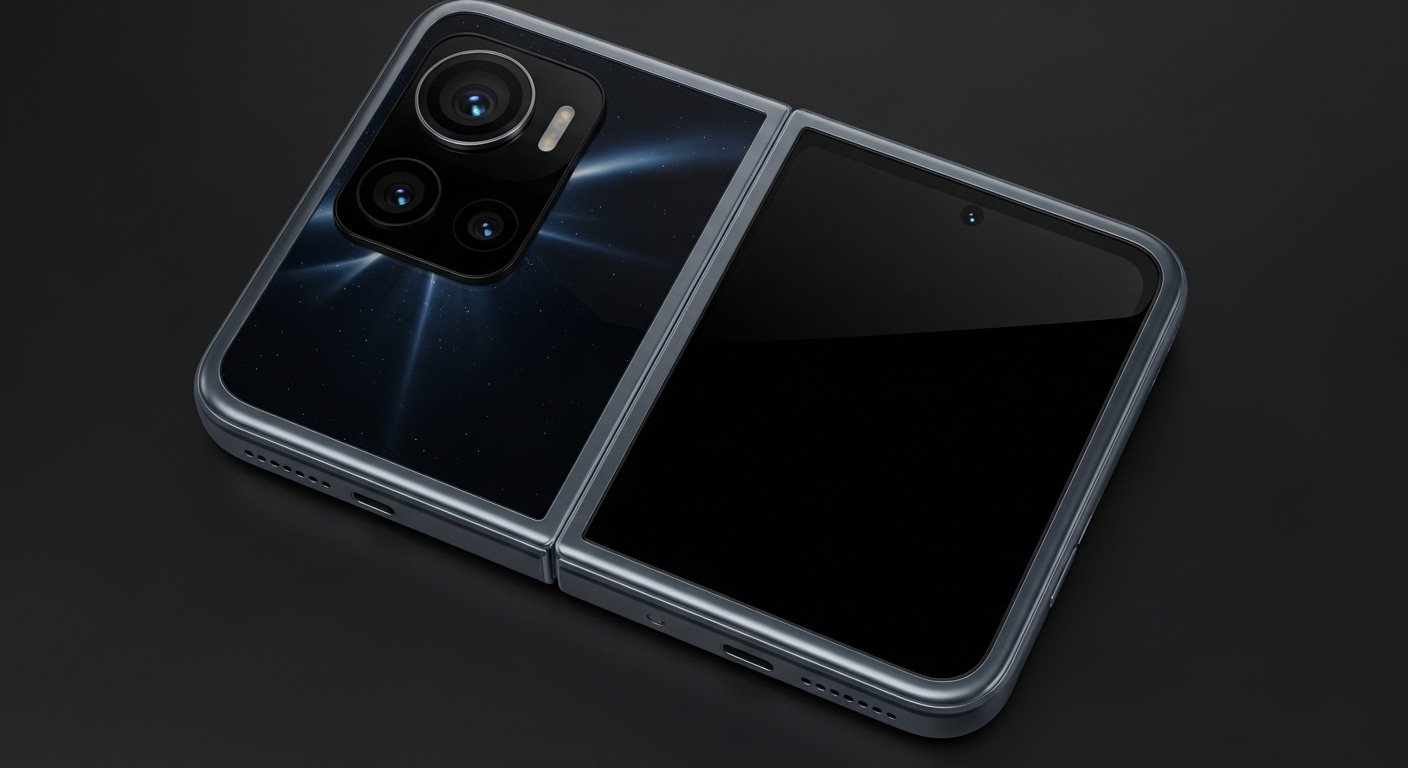
Foldables often face tougher camera expectations than mid-range phones because the price is premium. Buyers expect flagship-level consistency, especially indoors and at night, and that’s where clamshell foldables can feel behind if processing or sensors aren’t strong enough.
Camera upgrades don’t have to be dramatic to feel meaningful. Faster capture, better HDR tuning, and improved motion handling can deliver a noticeable “upgrade feel” without changing the camera count.
Upgrades that matter more than megapixels
- Less motion blur in indoor photos (kids, pets, moving subjects).
- More consistent exposure and color between lenses.
- Cleaner night shots with less aggressive smearing.
- Better video stabilization and steadier exposure transitions.
Flip-specific camera advantages
The Flip design enables hands-free angles and high-quality selfies using the main cameras. That advantage becomes more valuable when the cover screen experience is polished, making framing and quick adjustments easier.
If the Flip 8 improves cover-screen camera controls and preview smoothness, it can feel like a practical upgrade even without major sensor changes.
Performance, battery, and thermals: comfort over charts
Most modern premium phones feel fast in short bursts. Foldables reveal weaknesses during sustained use: navigation on mobile data, long camera sessions, multitasking, and extended video calls.
Performance expectations for the Flip 8 center on efficiency and thermals. A flip phone that stays cool and steady under load feels premium in a way benchmark wins rarely capture.
Battery: the easiest way to improve the Flip experience
Battery comfort is still a deciding factor for clamshell foldables. The compact form factor places limits on capacity, so improvements often come from efficiency: a newer chipset, better modem tuning, and smarter display management.
Even small gains can matter. A Flip that finishes the day consistently without extra charging changes how it feels to own.
Charging expectations
Charging speed matters most as a “top-up tool.” The useful metric is not peak wattage; it’s how quickly the phone can get from low battery to a comfortable buffer before leaving the house.
Cooler charging behavior is as important as faster charging, especially for a phone that’s folded and carried close to the body.
Software upgrades: where Samsung can separate the Flip
For foldables, software is not an add-on. It’s the product. A flip phone with premium hardware can still feel limited if the cover screen is constrained or if apps behave inconsistently when switching between open and closed states.
Flip 8 upgrade expectations focus on continuity, cover-screen freedom, and smoother multitasking behaviors that reduce friction. The best outcomes are subtle: fewer app redraws, faster unlock-to-action time, and better “quick task” flows.
AI features that actually fit a cover scre. en
AI becomes more useful on foldables when it saves time in small moments. Quick summaries, smart replies, and better selection tools can make sense on a cover screen, as long as they stay fast and don’t feel like a battery tax.
Privacy and on-device processing also matter more in this category because foldables are often used as personal devices with frequent, quick interactions.
What to watch next (signals that tend to be reliable)
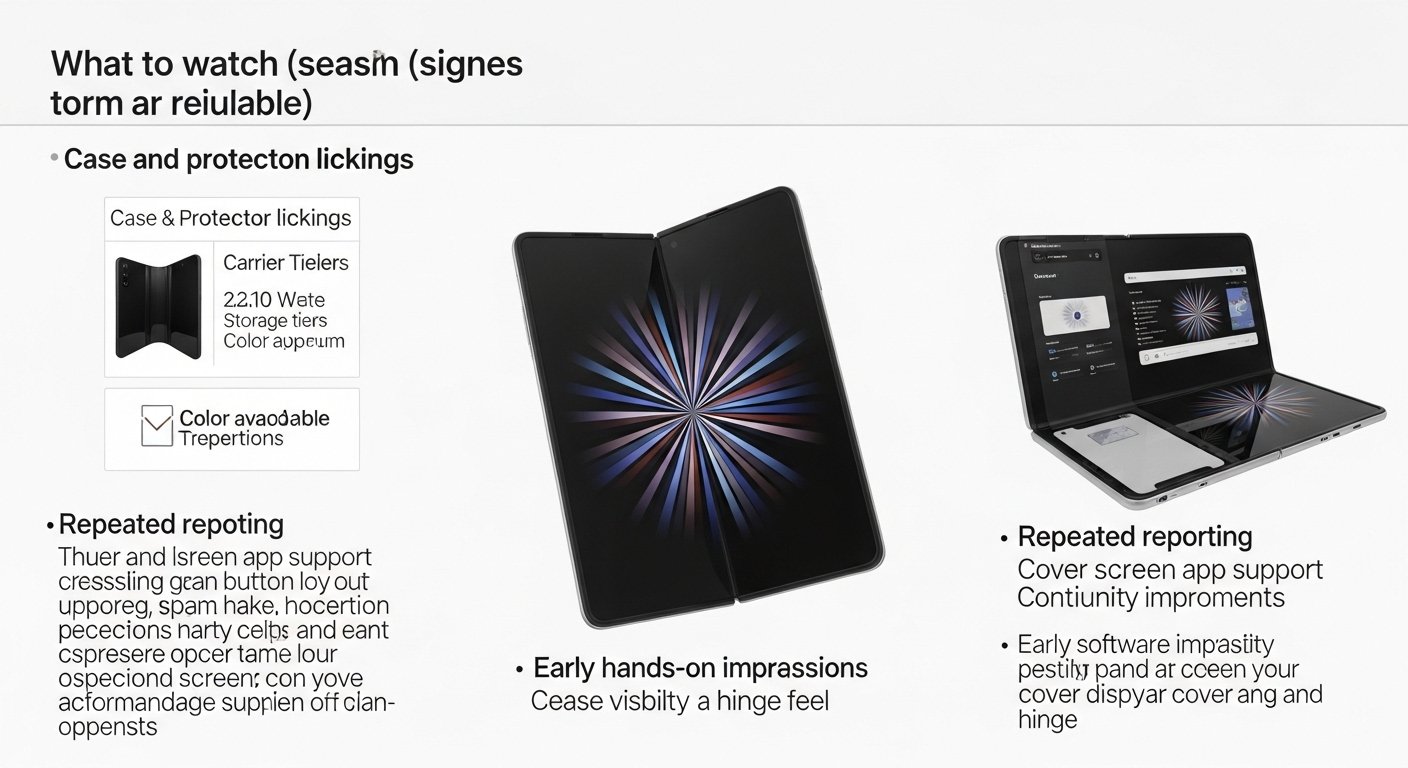
Foldable leaks intensify as launch season approaches. The most useful signals tend to be practical ones: accessory ecosystem shifts, credible supply-chain reports that repeat over time, and early software clues that show how Samsung plans to treat the cover display.
- Case and protector listings that reveal dimensions and button layout.
- Carrier preparation pages that hint at storage tiers and color availability.
- Repeated reporting around cover-screen app support and continuity improvements.
- Early hands-on impressions focused on crease visibility and hinge feel.
Should waiting for the Flip 8 make sense?
Waiting makes sense when the current generation feels limited by cover-screen restrictions, battery comfort, or camera consistency. Those are the areas where a refinement year can feel like a real upgrade.
Buying the current generation can still be the better move when discounts are strong enough. Foldables often become far more attractive when trade-ins, bundle credits, and price drops reduce the premium gap versus slab flagships.
Related Articles
Read more on Phone Expertise: Galaxy Z Fold 8 rumors and expectations.
Explore related coverage: Samsung foldable phones in 2026 preview.
Further analysis available here: Samsung Galaxy roadmap for 2026.
FAQ
Will the Galaxy Z Flip 8 get a bigger cover screen?
Most expectations focus on better cover-screen usability rather than a dramatic size jump. The real upgrade is typically improved app support, smoother widgets, and fewer limitations for common tasks.
Are Galaxy Z Flip 8 camera upgrades expected?
Camera improvements can arrive through processing and tuning, even if hardware changes are modest. The most meaningful gains are usually indoor motion, night consistency, and steadier video behavior.
Is the crease expected to improve on the Flip 8?
Crease refinements are a common theme in foldable iterations. The practical test is whether reflections are less distracting during reading, browsing, and video in bright indoor lighting.
Is it better to buy a Flip at launch or wait for deals?
Launch windows can offer strong trade-ins and bundle credits, while later months often bring price drops. The best value depends on how aggressive promotions are in the local market.
What makes a flip phone worth it in 2026?
A flip phone is worth it when the cover screen reduces daily friction, and the phone delivers reliable battery and cameras for typical use. Without those, a slab flagship can be the more sensible buy at similar pricing.