
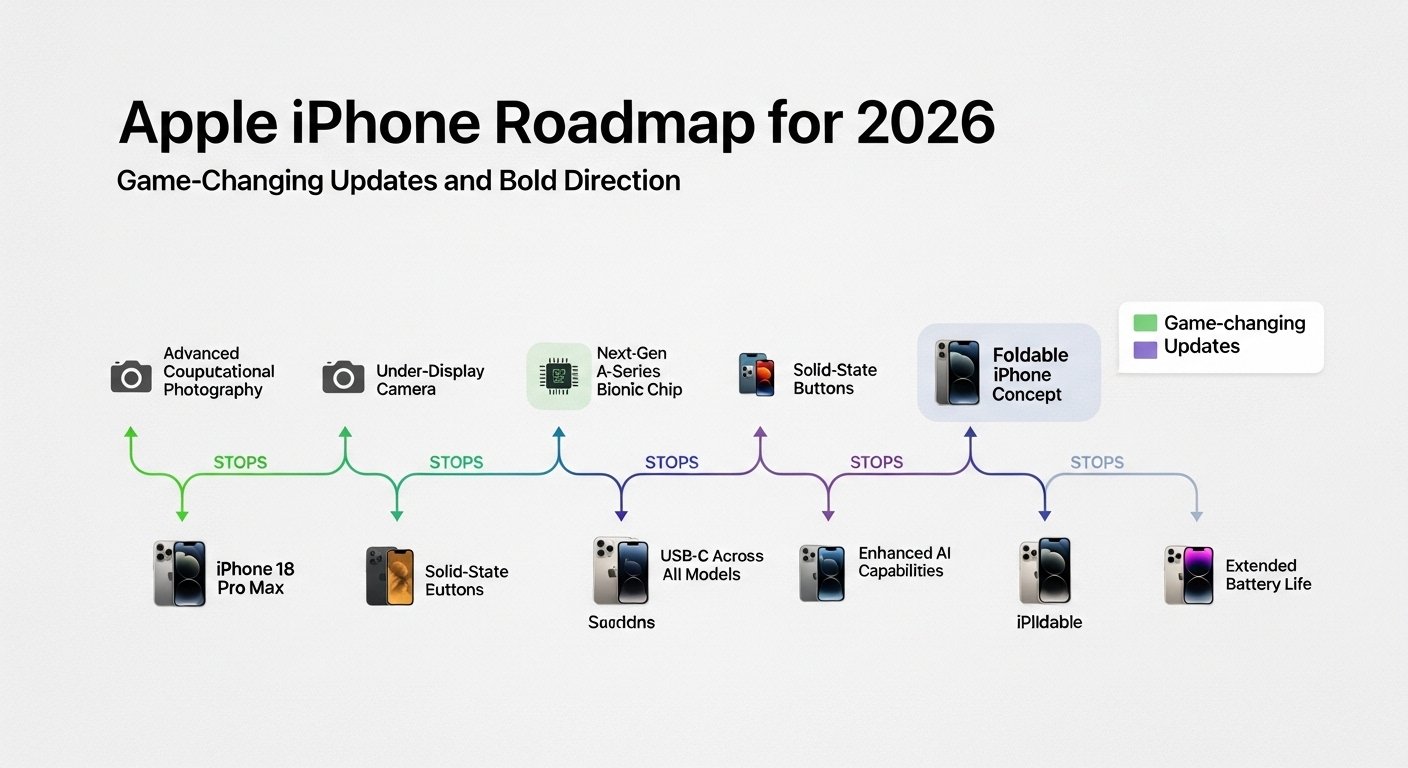
Apple iPhone roadmap for 2026: expected launch windows, iOS priorities, and the smartest times to buy
Apple’s iPhone roadmap for 2026 matters more than a simple “new phone in September” story. The buying decision now sits at the intersection of multi-year software support, on-device AI features that depend on newer chips, and camera systems that increasingly blur the line between phone video and dedicated creators’ gear. At the same time, upgrade cycles are stretching: many users keep iPhones longer, which raises the stakes on battery longevity, repairability, and whether a model will stay fast enough for the next wave of iOS features.
In 2026, the iPhone lineup is also shaped by external pressure: privacy expectations are higher, regulators are paying closer attention to app distribution and platform practices, and carriers are changing how subsidies and trade-ins are structured. A roadmap view helps cut through the noise by focusing on timing (when new models and iOS versions usually land), positioning (which tier gets the biggest jumps), and value (when last year’s flagship becomes the better buy). What follows is a practical, rumor-resistant way to interpret Apple’s 2026 direction and plan purchases accordingly.
Where Apple is starting from in 2026
Apple entered 2026 with a modern iPhone lineup that already emphasizes computational photography, efficiency-focused silicon, and deeper integration between hardware and iOS. Apple’s own iPhone comparison page is one of the simplest ways to see how the company positions current generations and tiers (standard vs Pro, plus legacy models that remain on sale).
Recent official announcements also set the baseline for what 2026 builds on. In Apple’s newsroom announcement for iPhone 17, Apple tied the annual hardware release to the iOS cycle by noting iOS 26 availability as a free update around the same season.
The iPhone calendar: the pattern that usually holds
Apple rarely confirms long-range iPhone plans publicly, but its release rhythm is consistent enough that a “roadmap” can be framed around windows rather than exact dates. The key is to treat timing as a probability curve: the closer a product is to launch, the more reliable the picture becomes.
Spring: value-focused updates and quiet refreshes
When Apple does an early-year iPhone release, it is typically positioned around value, accessibility, or filling a price gap rather than redefining the flagship experience. The practical takeaway is that spring iPhones (or spring iPhone announcements) tend to be about reaching a broader audience: lower entry price, familiar design language, and strong “good enough” performance for everyday use.
For buyers, spring is also when older models can become deceptively attractive. Inventory moves, carrier promotions rotate, and refurbished pricing often becomes more competitive as channels prepare for the next big cycle.
June: WWDC sets the software direction
WWDC is the annual signal for what the next iOS generation will prioritize, and that matters even for people who do not install betas. Apple uses WWDC to outline features that may require newer chips (AI, imaging, real-time translation), new privacy controls, and platform-level changes that affect app behavior and battery life.
Roadmap tip: if a planned purchase is mainly about software features (rather than camera hardware), WWDC is the moment to reassess whether a current model is “future enough” for the next iOS generation.
Late summer/early fall: the flagship iPhone cycle
Apple’s flagship iPhone releases are typically aligned with the major iOS release cadence and the holiday season that follows. Apple’s iPhone 17 newsroom post is a reminder of how tightly Apple links the annual iPhone launch season with the iOS rollout and global availability timelines.
From a buyer’s perspective, this window creates two simultaneous value shifts: the newest models debut at full price, while the previous generation often becomes the “best overall” deal if it remains sold new and receives the same iOS support horizon.
Holiday: the promotion window, not the innovation window
The last quarter of the year is when discounts and trade-in boosts tend to be most aggressive, but it is rarely when Apple introduces the biggest iPhone hardware changes. For many shoppers, the best outcome is not buying the newest iPhone at launch day, but buying a proven iPhone a few weeks later when promotions stabilize, and real-world battery and camera dataares available.
What will likely shape iPhones in 2026
Even without assuming specific model names or unconfirmed specs, the industry direction is clear: phones in 2026 are increasingly judged on sustained performance, camera consistency across lighting conditions, and how well on-device AI features run without draining battery or requiring constant cloud calls.
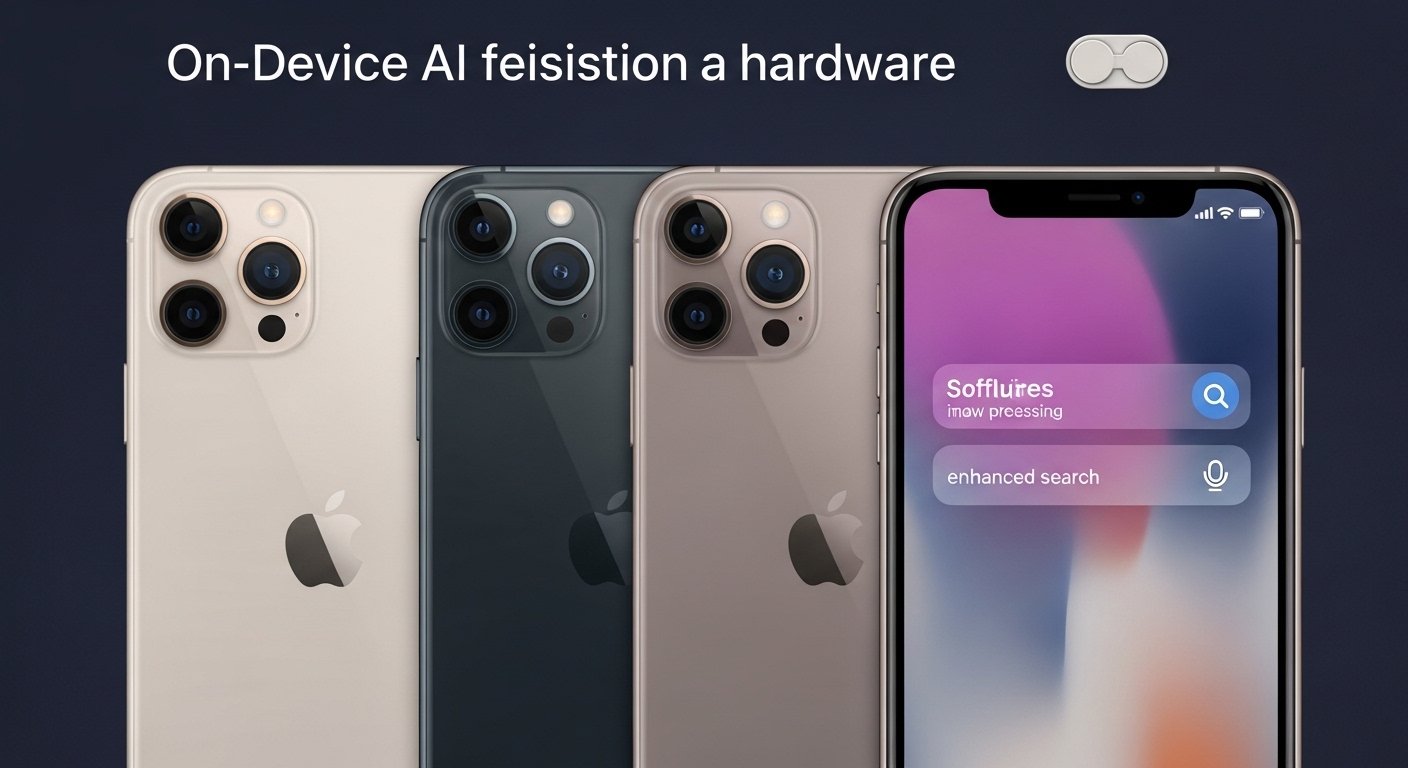
On-device AI becomes a hardware decision.
In 2026, “AI features” are not a single toggle; they are a stack of capabilities that depend on silicon efficiency, memory bandwidth, and thermal headroom. Expect Apple to keep differentiating tiers by how much AI can run locally, how fast it runs, and which features are exclusive to newer chip generations.
- Higher-tier iPhones usually benefit first from new on-device workloads (image processing, voice features, summarization, enhanced search).
- Mid-tier iPhones often get the same feature categories later, but with constraints (slower processing, fewer offline options, or reduced model size).
- Older iPhones may receive UI-level improvements but miss heavier on-device AI features due to performance or memory limits.
Cameras: consistency, not just megapixels
Apple’s camera upgrades tend to arrive as a mix of sensor improvements, lens changes, and software pipelines. The practical trend for 2026 is less about a single headline number and more about reliability: fewer missed shots, better skin tones, more stable video, and cleaner low-light results without aggressive artifacts.
For the roadmap mindset, this means camera value is often “two steps”: the hardware enables a capability, and later iOS updates refine it. Buyers who prioritize camera performance should pay attention to early hands-on reports, but also to how Apple updates the imaging pipeline across iOS point releases during the model’s first year.
Battery: efficiency wins more than capacity
Battery life improvements increasingly come from efficiency gains rather than dramatic size increases. Faster, more efficient chips, smarter background scheduling, and better modem power behavior can yield meaningful real-world gains even if the battery capacity changes modestly.
Roadmap tip: the best battery iPhone is often the one with the most thermal and power headroom, which typically favors larger models and Pro tiers, but not always at the best value price.
Connectivity and modems matter quite a bit. tly
In 20the 26, the day-to-day iPhone experience is heavily shaped by radios: 5G behavior, Wi‑Fi reliability, and Bluetooth stability for earbuds and cars. A “small” modem update can deliver real improvements in standby drain and indoor signal stability, which is why connectivity changes can be as valuable as camera upgrades for many users.
Design: fewer revolutions, more refinements
Apple design changes usually arrive as measured refinements: weight distribution, stronger glass, subtle button behavior, and improved durability. Reports about major redesigns should be treated cautiously until they are corroborated by multiple independent sources, especially because prototypes and supply-chain testing do not always translate into shipping products.
iOS in 2026: the roadmap behind the hardware
For iPhone buyers, the software roadmap is the difference between a phone that merely works and a phone that keeps improving. Apple’s recent iPhone launch communications continue to frame iOS as a core part of the iPhone value proposition, not a separate story.
Feature availability will be increasingly tiered.
As iOS features become more compute-heavy, Apple can ship the same iOS version across many iPhones while reserving some capabilities for newer hardware. This is already a familiar pattern in smartphones broadly, and it is likely to become more visible in 2026 as on-device AI, advanced photography, and real-time features become more demanding.
Planning implication: an “iPhone roadmap” is no longer just model-to-model upgrades; it is also about which iPhones sit above the feature threshold for the next two to three iOS cycles.
Privacy and security: the steady direction
Apple’s iOS trajectory tends to emphasize privacy controls, permission transparency, and security hardening. For many users, these changes are the real reason to stay within Apple’s update window rather than holding onto older devices indefinitely.
Comparison: buy now or wait for the next iPhone?
“Wait or buy” is a value calculation, not a loyalty test. The right answer depends on what is currently broken (battery, storage, performance), what is desired (camera, AI features, screen size), and whether the market is near a predictable inflection point (spring refresh, WWDC, or the fall flagship cycle).
Buy now if any of these are true
- The current phone has battery health issues that affect daily reliability.
- Storage is constantly full, causing camera failures or app instability.
- The camera is a work tool, and missed shots cost time or money.
- The carrier trade-in value is unusually high for the current device.
Wait, if any of these are true.
- The next flagship window is close enough that resale value would drop quickly after purchase.
- The upgrade goal is specifically tied to new iOS-era features previewed at WWDC.
- Current performance is fine, but camera zoom/video features are the priority (often a Pro-tier story).
Value comparison by tier (how Apple usually separates models)
Apple generally creates three upgrade paths, each with a different “best time to buy”:
- Value tier: Best right after a new value model launches (pricing becomes clear) or when older inventory is discounted.
- Mainstream tier: Best during the first major promotion cycle after the fall launch, once early reviews confirm battery and camera behavior.
- Pro tier: Best when the upgrades meaningfully match the workload (video creators, heavy photography, long-term users); otherwise, the previous Pro often offers near-flagship experience at better pricing.
Apple’s iPhone compare page is useful for a reality check on how Apple positions tiers and which models remain in the official lineup at any given time.
How to read iPhone rumors responsibly in 2026
Roadmap coverage inevitably overlaps with rumors, and 2026 will be no exception. The safest approach is to treat leaks as a confidence ladder: the more independent confirmation and the closer to launch, the more weight the information deserves.
- Prefer reports that separate “tested internally” from “shipping in production.”
- Be skeptical of single-source claims about major redesigns or dramatic pricing shifts.
- Watch for consistency across multiple outlets and supply-chain indicators, but remember that plans can change late.
For buyers, the practical move is to focus on timing and tier logic rather than specific rumored specs. Waiting for a “perfect” iPhone often leads to delaying a necessary upgrade, while buying too early can mean missing a predictable price drop a few weeks later.
Practical roadmap: the best times to buy in 2026
A roadmap only helps if it turns into an actionable plan. These are the purchase moments that typically offer the best mix of information (reviews, real-world testing) and value (pricing, promos):
- After spring announcements: Best for budget-focused buyers deciding between the newest value model and discounted prior generations.
- After WWDC: Best for buyers who want to ensure the next iOS generation aligns with their priorities (AI features, privacy controls, workflows).
- After the fall iPhone launch: Best for buyers who want the newest hardware, but ideally after early battery and camera tests and the first promo wave.
- Holiday promotions: Best for deal-driven shoppers, especially when trade-in boosts are stron,g and supply is stable.
When choosing between two nearby generations, Apple’s model comparison tool provides a clean way to check core categories that affect daily use (display, camera features, and other positioning cues). Compare iPhone models on Apple.com.
Read Related Article
iPhone 18 vs iPhone 17: should you upgrade?
iPhone 18 Pro vs Pro Max comparison
FAQ
Will Apple definitely launch a new iPhone in 2026?
Apple has a long-running pattern of annual iPhone updates, but Apple rarely confirms future launches far in advance. A roadmap approach is best used as “likely windows” rather than guarantees.
Is it smarter to buy the newest iPhone at launch or wait?
Waiting often improves value because early reviews reveal battery and camera behavior, and promotions can appear soon after launch. Buying at launch makes sense when the phone is a work tool and the newest features directly improve productivity or reliability.
How much do iOS updates matter when choosing an iPhone in 2026?
They matter a lot because iOS updates influence security, privacy controls, and feature availability over several years. Newer iPhones also tend to support more demanding features for longer, especially as on-device AI becomes more central.
Are Pro iPhones worth it in 2026?
Pro models are usually worth it for users who benefit from advanced cameras, sustained performance, and premium displays. For many others, last year’s Pro or the current standard model delivers better value with fewer compromises.
What is the safest way to follow iPhone roadmap rumors?
Focus on timing and tier strategy rather than specific spec claims, and treat unconfirmed leaks as tentative until multiple independent sources align. When purchase timing is flexible, the best move is often to wait for WWDC and the fall launch window for clarity.
